
Should You Hire an Interior Stylist Before or After Your Renovation?
There’s a mistake I see repeatedly in homes that have been renovated beautifully.
The floors go in. The walls get painted. The finishes are upgraded. And then the money runs out.
Furniture gets chosen under budget pressure — pieces that are “fine” rather than right. A sofa that looked good in the showroom but sits awkwardly in the room. Soft furnishings that don’t quite match the new finishes.
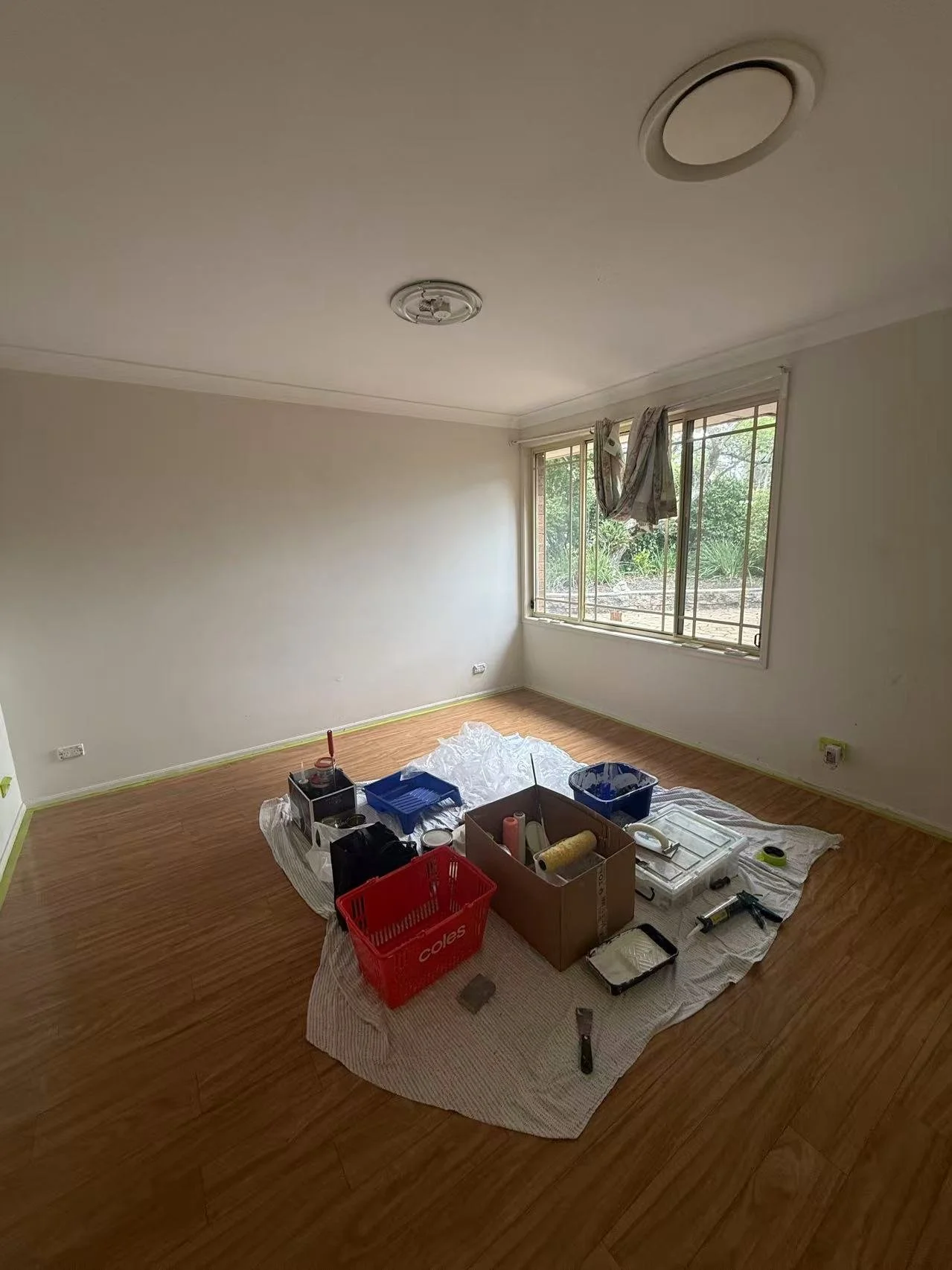
A freshly painted living room with mismatched furniture and nothing on the walls. A beautifully tiled bathroom with generic towels and harsh lighting.
Spaces that look renovated — but not warm. Not whole.
I’ve seen this pattern across Sydney homes of every size and budget. The renovation changed the surfaces. But no one composed the room.
The reason this keeps happening is almost always the same: styling was left until last.
Why This Keeps Happening
Most homeowners think about renovation and styling as sequential decisions. First you fix the space, then you decorate it. Design first, styling later — with whatever budget remains.
This framing is the problem.
Hard finishes and soft furnishings are not separate decisions. They are one composition.
The floor colour affects how a rug reads. The wall tone changes how a sofa fabric feels. The joinery finish determines what materials you can layer against it.
When these decisions are made at different times, by different people, without a shared direction — the result is a home where every individual element is reasonable, but nothing quite coheres. It looks assembled, not designed.
What Actually Goes Wrong When You Leave It Too Late
Here is what the sequence typically looks like when styling is left until after renovation is complete:
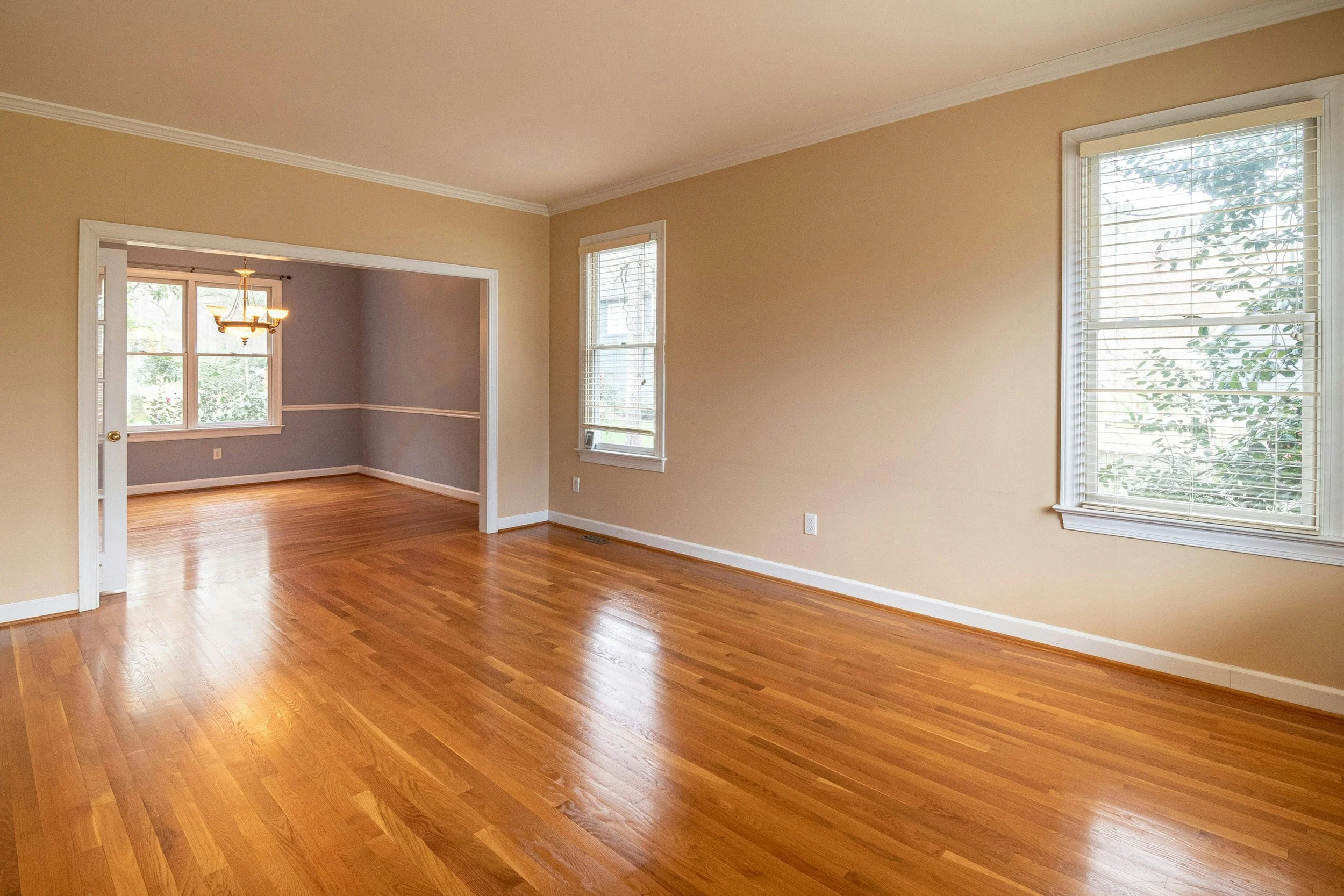
The flooring is chosen in isolation — a warm timber tone that seemed right in the showroom. But the wall colour chosen separately pulls cool, and the sofa fabric has a grey undertone. Nothing is wrong individually. Together, they fight.
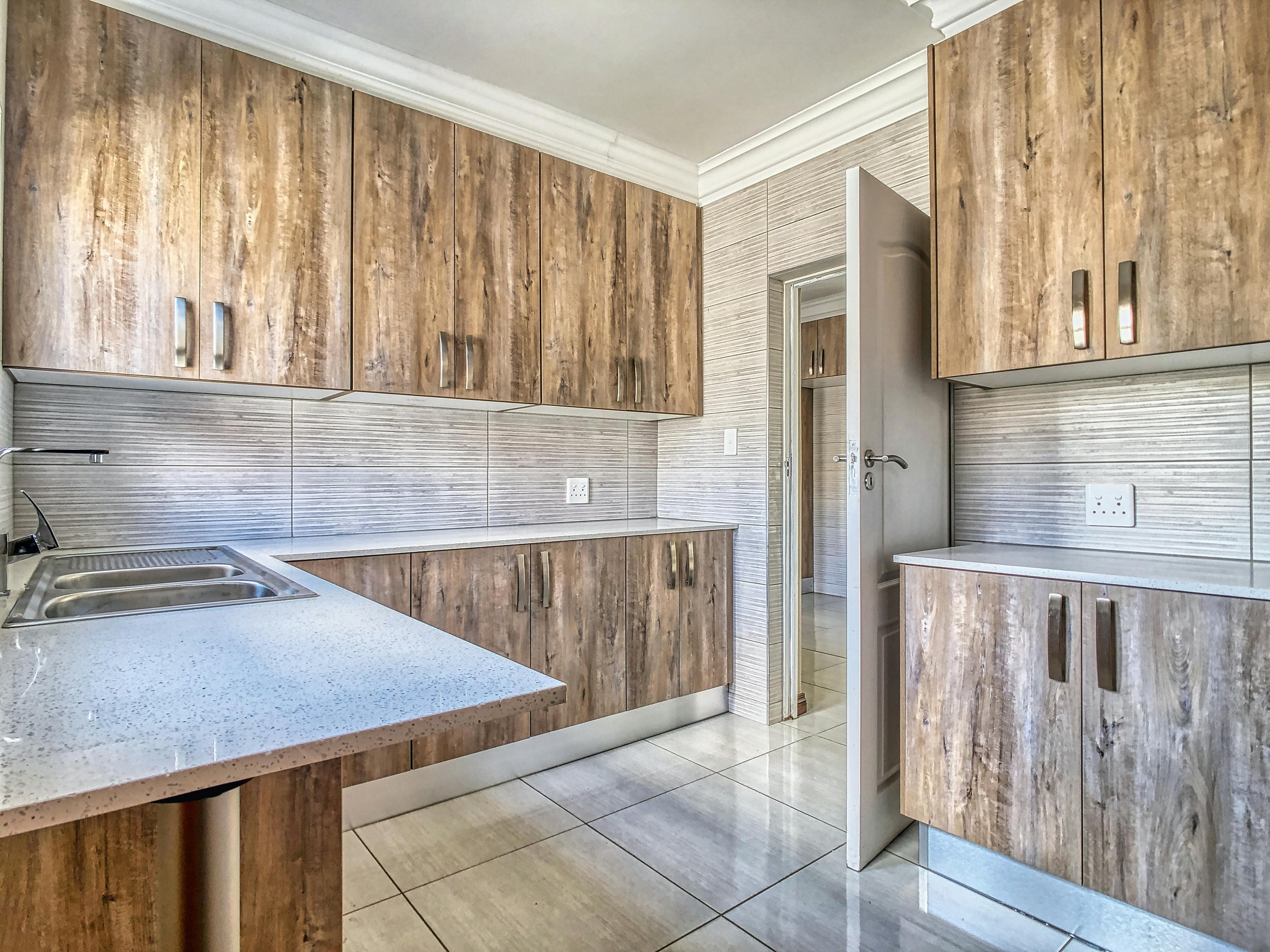
The cabinetry finish is finalised before the furniture is selected — leaving no visual breathing room for the layering that would give the kitchen its atmosphere.
The lighting is specified by the electrician — functional and correctly placed, but with no consideration for the mood of the finished room. By the time the stylist arrives, the ceiling is closed and nothing can be changed.
The budget is exhausted — not because the renovation was extravagant, but because no budget was allocated for the layer that would make it feel finished. Furniture gets chosen quickly and under pressure, and the composition never comes together.
The renovation changed the surfaces. But the composition layer — the one that determines how the space is actually experienced — was never addressed.
The Composition Layer Is Not the Finishing Touch
The composition layer is not the finishing touch. It is half the work. And it needs to be considered from the very beginning.
As we explored in our first article on why homes feel off, and our guide to the three layers of a home, the composition layer works with everything that isn’t fixed: furniture, textiles, lighting, objects, and the relationships between them. It determines whether a space feels resolved or restless.
But the decisions made during a surface renovation — which flooring material, what paint colour, how the joinery should be finished — are not separate from the composition layer. They are the foundation of it.
Get those decisions right, and the styling layer has something coherent to build on. Get them wrong, and no amount of careful furniture selection will fully resolve the space.
So: Before or After?
The answer depends on where you are in your journey.
If you’re mid-renovation — bring us in now
This is where the most value is created. When hard finish decisions are still being made — flooring, wall colours, tile selections, joinery finishes — an interior stylist can ensure those decisions are made with the final atmosphere already in mind.
Through our Design Support service, we work alongside clients and their trades during a surface renovation to make hard finish decisions with the final styled space as the reference point. The result is a home where the renovation and the styling read as one considered whole.
If you’re planning a renovation — start with a consultation
Before any decisions are made, a Bespoke Consultation establishes the direction — your aesthetic framework, lifestyle priorities, and the design language that will guide both the renovation choices and the styling that follows. This is the most efficient entry point, and the one that gives every subsequent decision the clearest foundation.
If your renovation is already complete — it’s not too late
A finished renovation with the wrong composition is still solvable. Interior styling works with what exists — editing, repositioning, rebalancing — to bring coherence to a space that feels almost right but not quite. The constraints are tighter, but the transformation is still possible.
Who Our Clients Typically Are
People who have lived in their home for a while and feel ready for it to evolve
People moving into a new space who want to get the finish selections right from the start
People who are mid-renovation and realise they need a clearer direction before committing to materials
People who have tried to style their home themselves and feel like something is still missing
People who know what they don’t want — but aren’t sure what they do want
What they share is a sense that their home should feel more considered, more personal, more like a genuine expression of how they live. That is exactly the problem we exist to solve.
One Question Worth Asking Yourself
Does your home function well — but still feel like it belongs to someone else?
That’s not a renovation problem. It’s a composition problem. And it’s more solvable than most people think.