
Why Your Home Feels Off — And Why Renovation Probably Isn't the Answer
When something feels wrong about a home, renovation is usually the first thought.
It makes sense. After years of working with homes across Sydney, I've seen the same pattern — we're taught to think about our homes in physical terms: the layout, the walls, the finishes. So when a space doesn't feel right, the logical assumption is that something physical must be wrong. But most of the time, that assumption is incorrect. Interior styling, not renovation, is what the space actually needs.
Most homes don't have a structural problem. They have a composition problem.
The Decision Most People Get Wrong
When you decide your home needs to change, you face an overwhelming number of questions.
Do you need a builder? A structural engineer? An interior designer? A decorator? Are you looking at a full renovation, or just a refresh? How much should you budget? Who do you actually call?
For most people, this becomes a paralysing tangle. And without clarity, one of two things happens: either nothing gets done, or money gets spent in the wrong place.
The truth is, these decisions become much simpler once you understand one thing:
Not all home problems are the same kind of problem.
Three Very Different Situations
① When the Bones Don't Work — Structural Renovation
Some homes have genuine structural issues. The layout is dysfunctional. Walls block light or restrict movement. Rooms can't serve their intended purpose.
In these cases, structural change is necessary — removing walls, engaging a structural engineer, working with a builder or architect.
This is the most complex, expensive, and time-intensive path. It is sometimes the right one.
But it is far less common than most people assume.
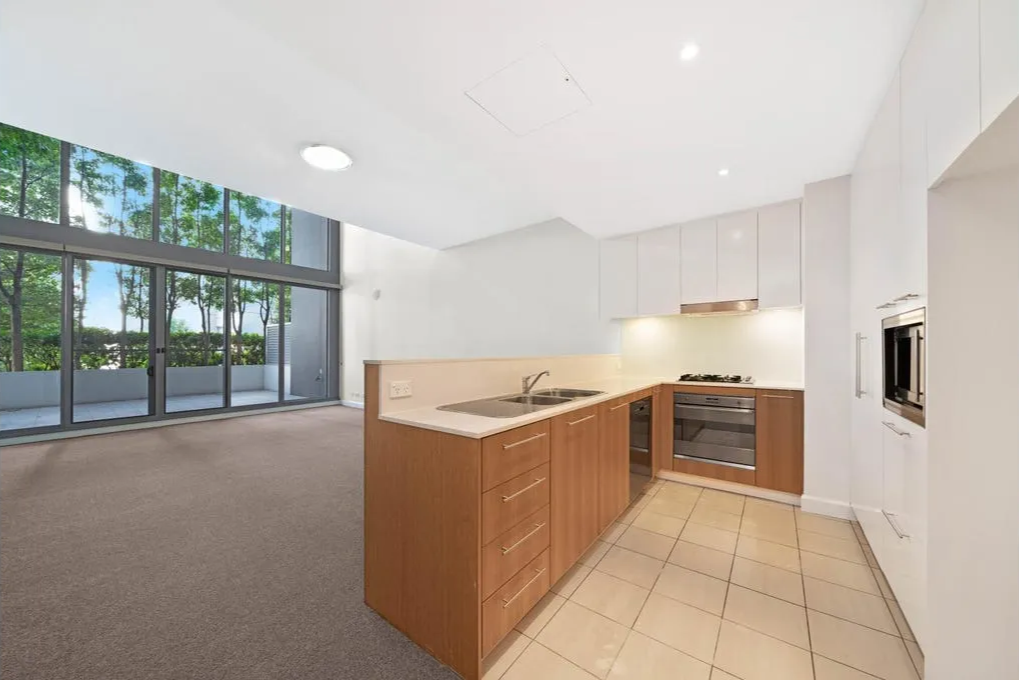
Before — empty apartment
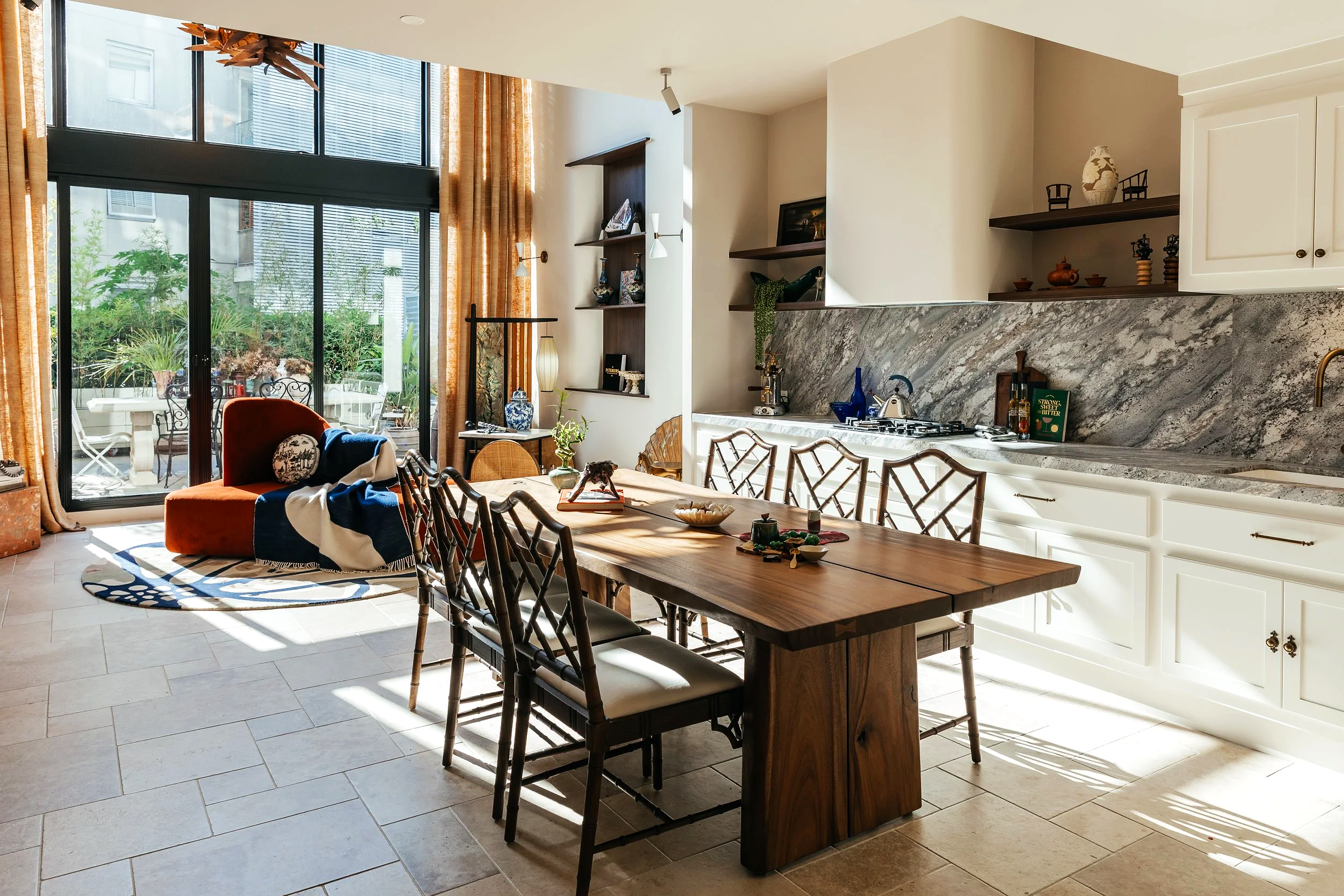
After — Heritage Harmony, SYP Homes
② When the Surfaces Feel Outdated — Surface Renovation
Sometimes the layout works fine, but the base finishes feel tired or inconsistent. Outdated flooring. Wall colours that no longer suit the space. Materials that feel disconnected from each other.
These are non-structural updates — replacing floors, repainting walls, updating fixed finishes.
They don't require major construction, but they do require decisions. And without a clear direction, they often lead to mismatched results and unfinished feelings.
This is where many homeowners start to feel overwhelmed.
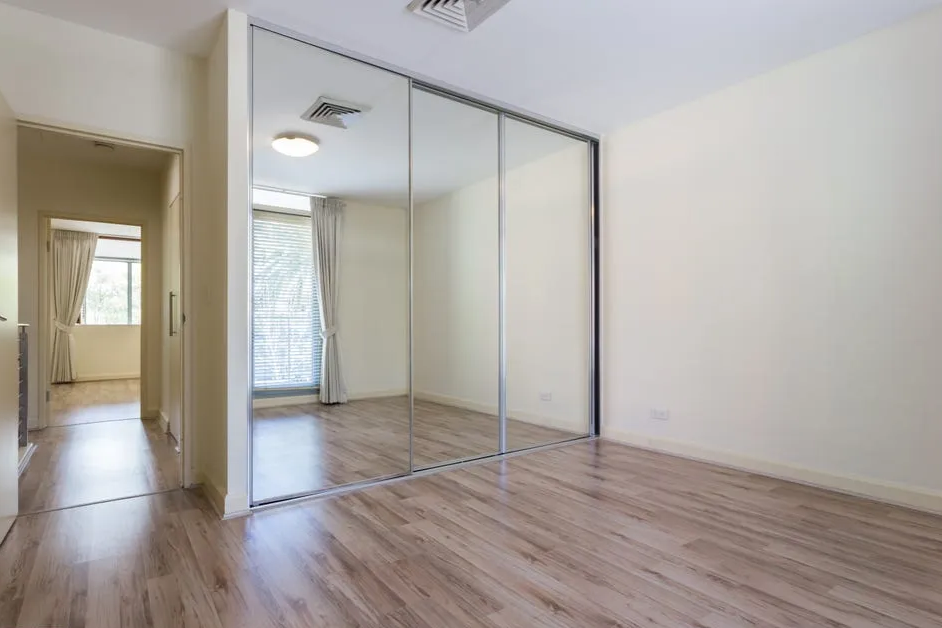
Before — bedroom
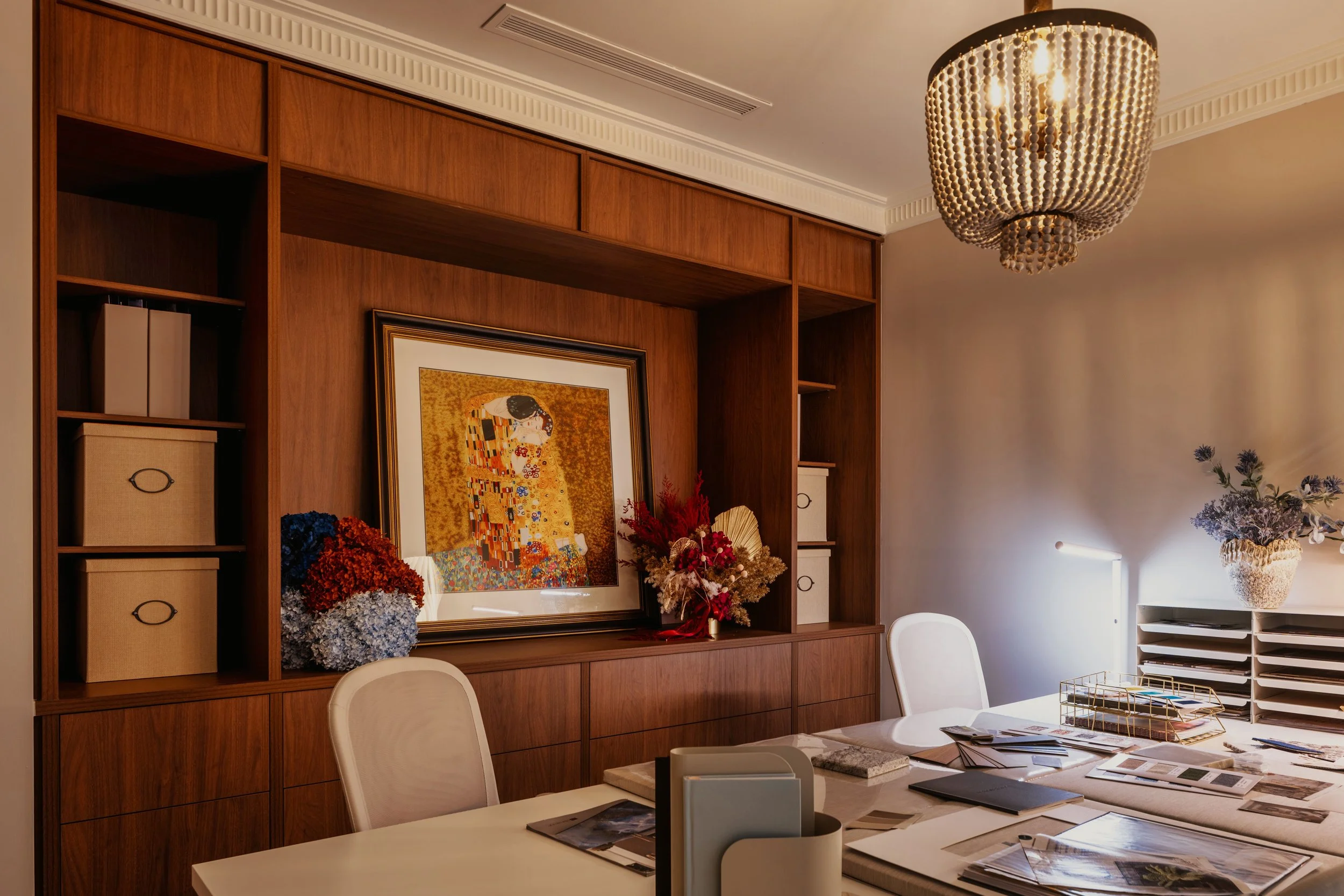
After — converted home office
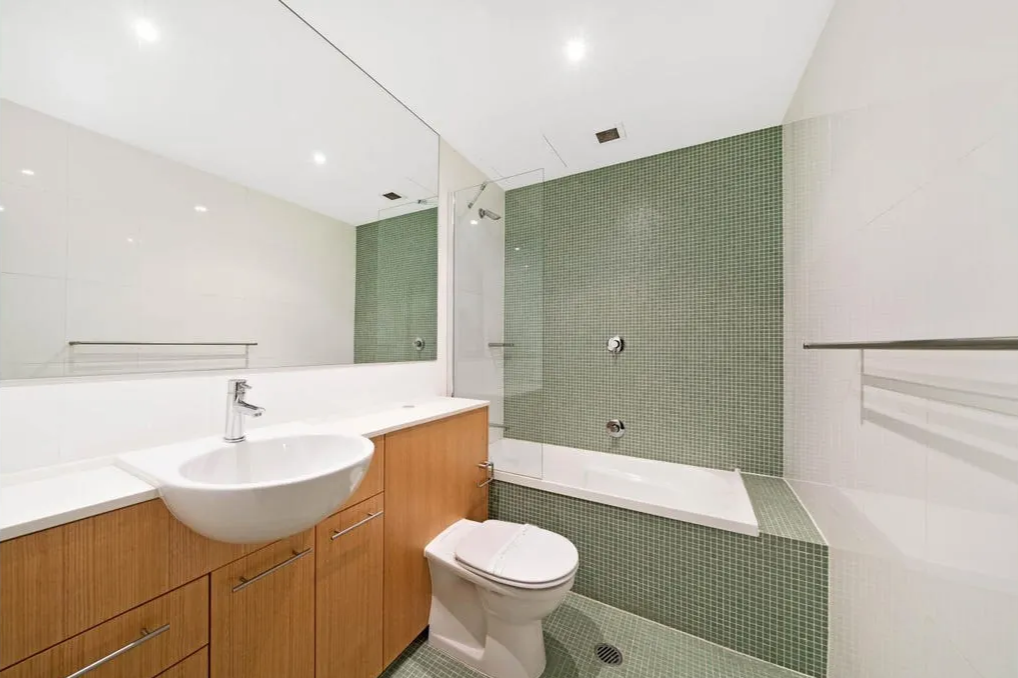
Before — bathroom
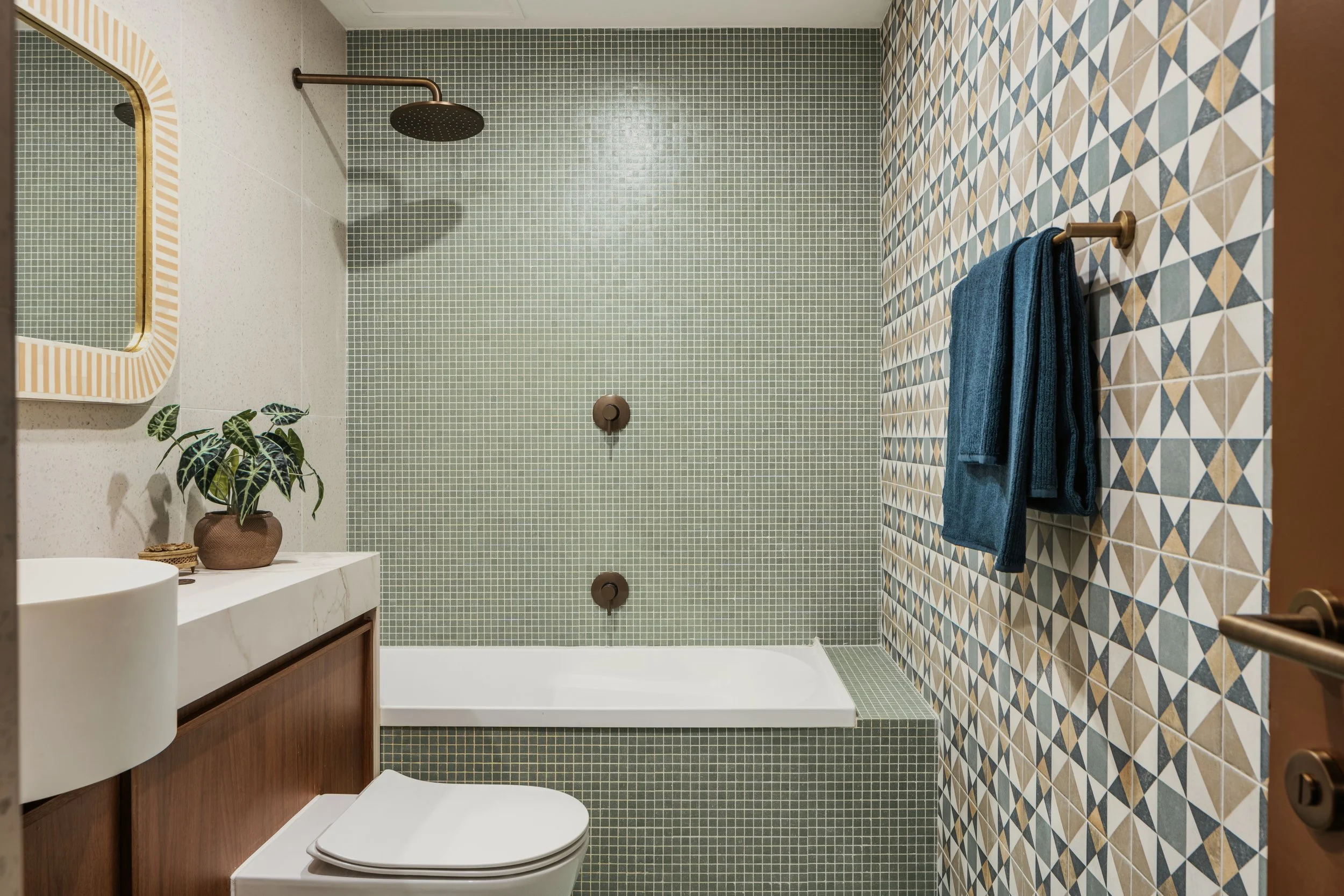
After — surface renovation
③ When the Space Is There, But Not Expressed — Styling Transformation
And then there's a third situation. The one most people don't initially recognise.
The space is functional.
The finishes are acceptable.
There is no urgent need for renovation.
But something still feels off.
The rooms feel either too empty or subtly cluttered. You've bought good furniture — but the space still feels flat. Everything is "nice," but nothing feels intentional. You keep adjusting things, but it never quite comes together.
This is not a structural problem.
This is not a materials problem.
This is a composition problem.
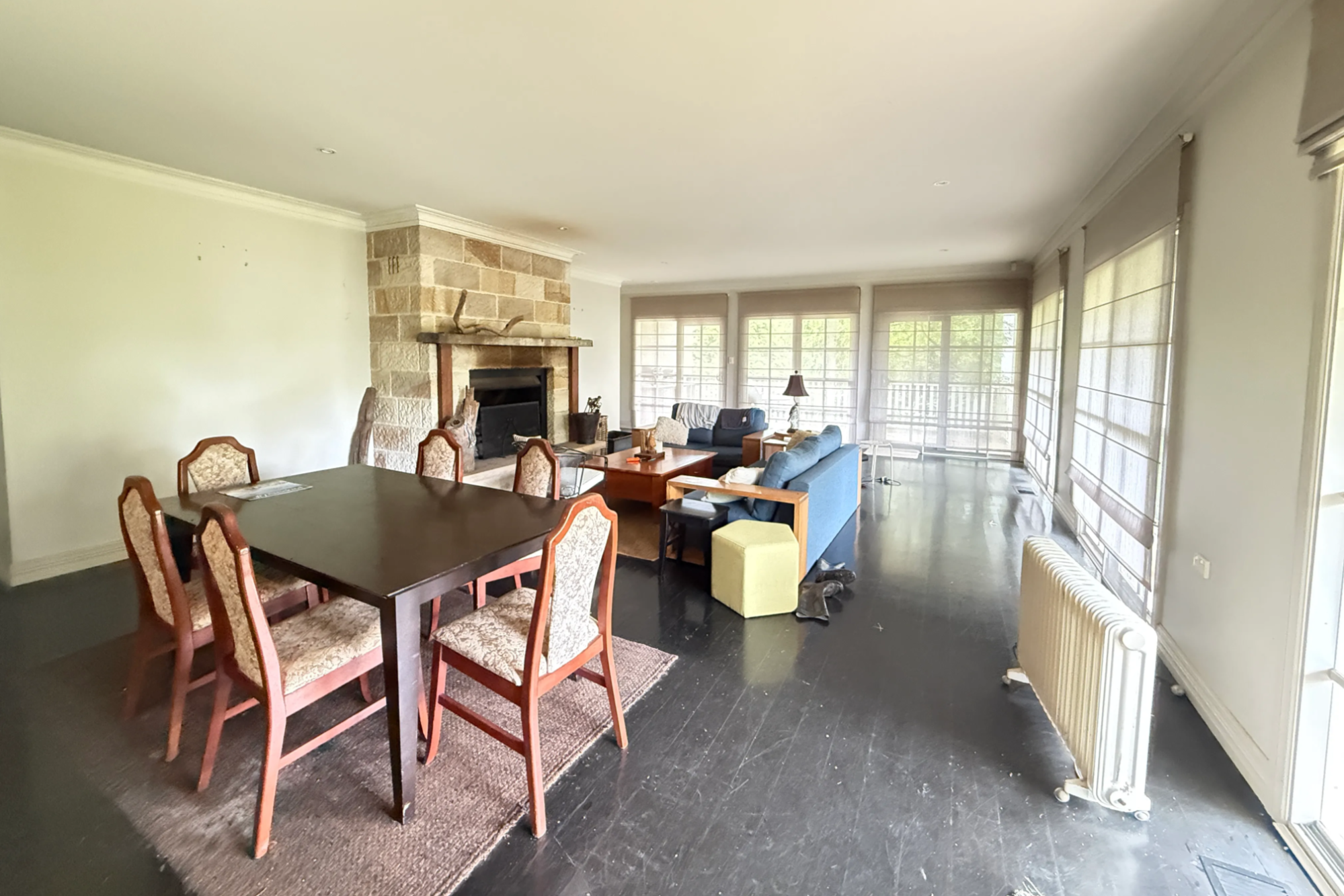
Before — living room
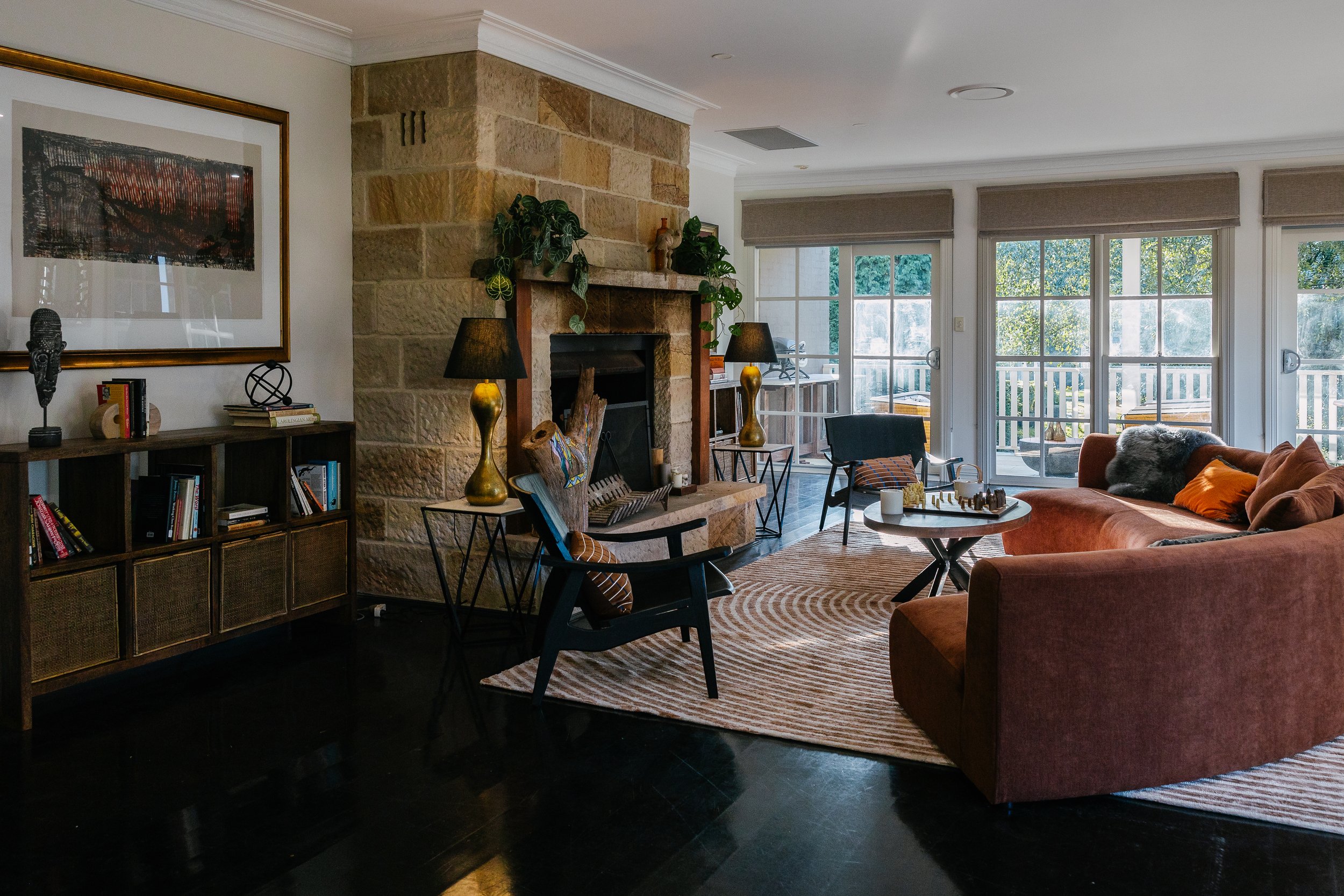
After — Quiet Revival, SYP Homes
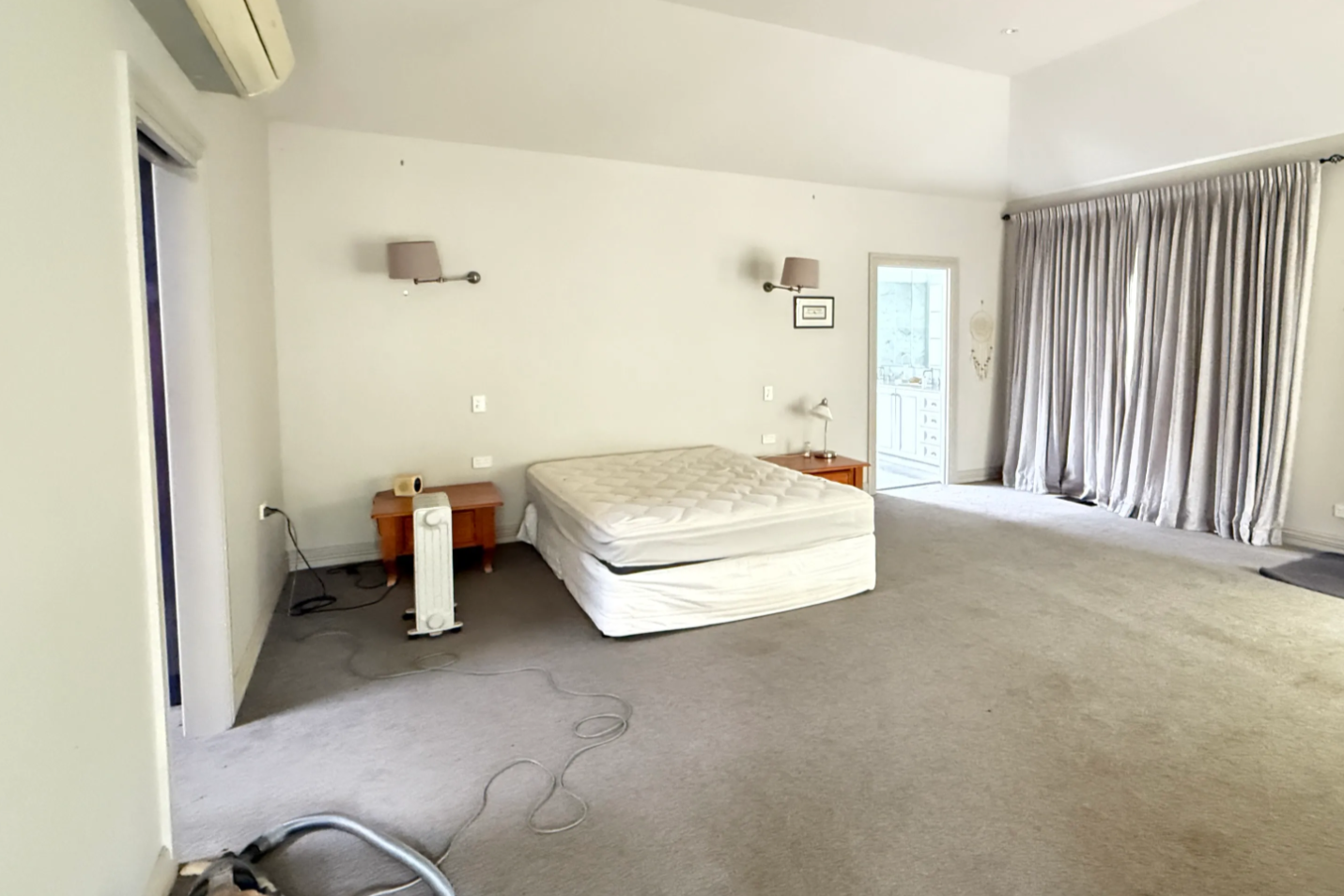
Before — master bedroom
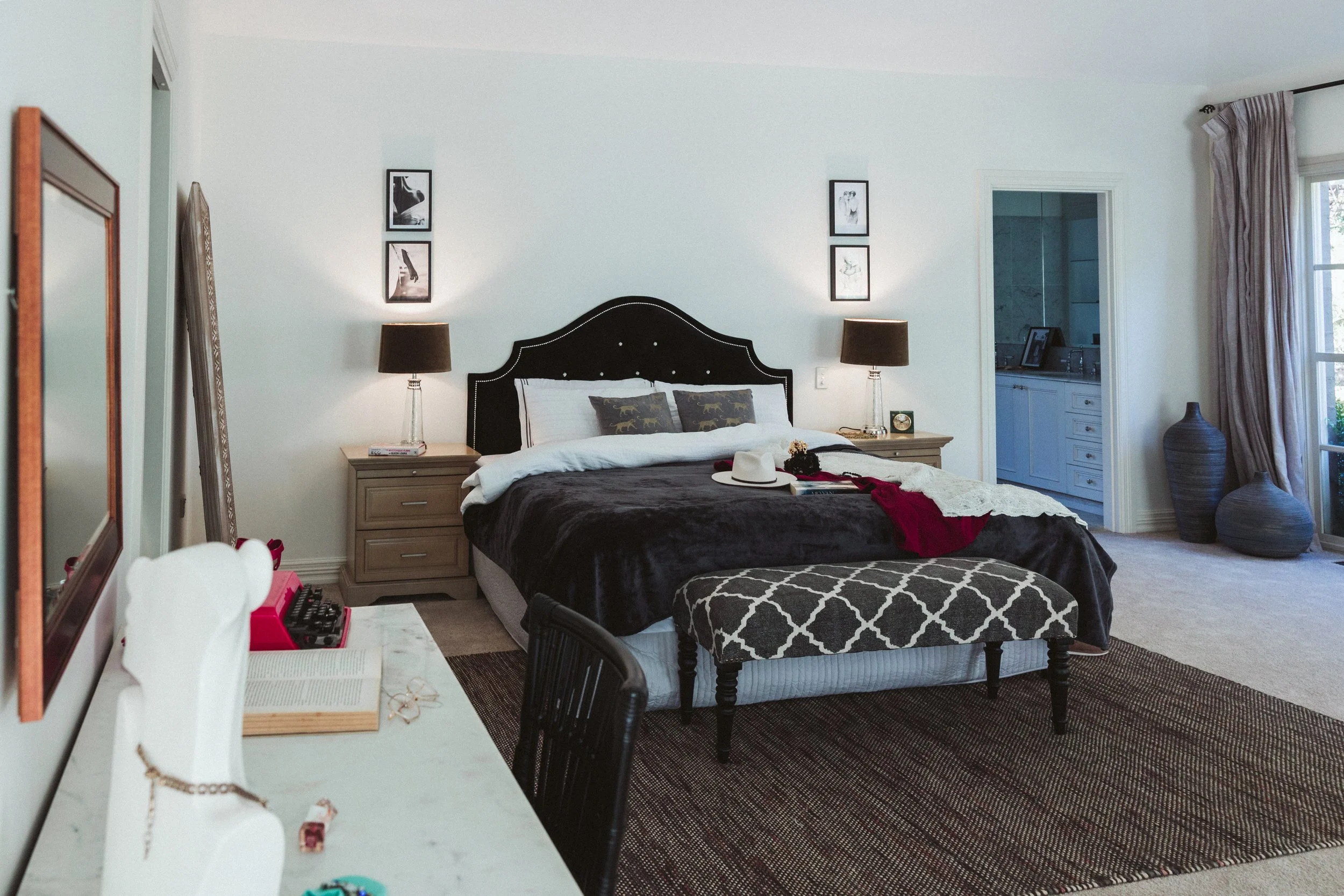
After — Quiet Revival, SYP Homes
Why Composition Is the Missing Piece
Most people approach their home in fragments — choosing pieces one by one, following inspiration images, focusing on individual items rather than the whole.
What's missing is not better furniture.
It's how everything works together — the proportion, the material relationships, the balance of visual weight, the way light moves through a space, the emotional tone that emerges when all of it is considered as a single composition.
This is the invisible layer of a home. And it's the one that determines whether a space feels resolved or restless.
Renovation changes structure.
Styling changes perception.
These are fundamentally different kinds of work.
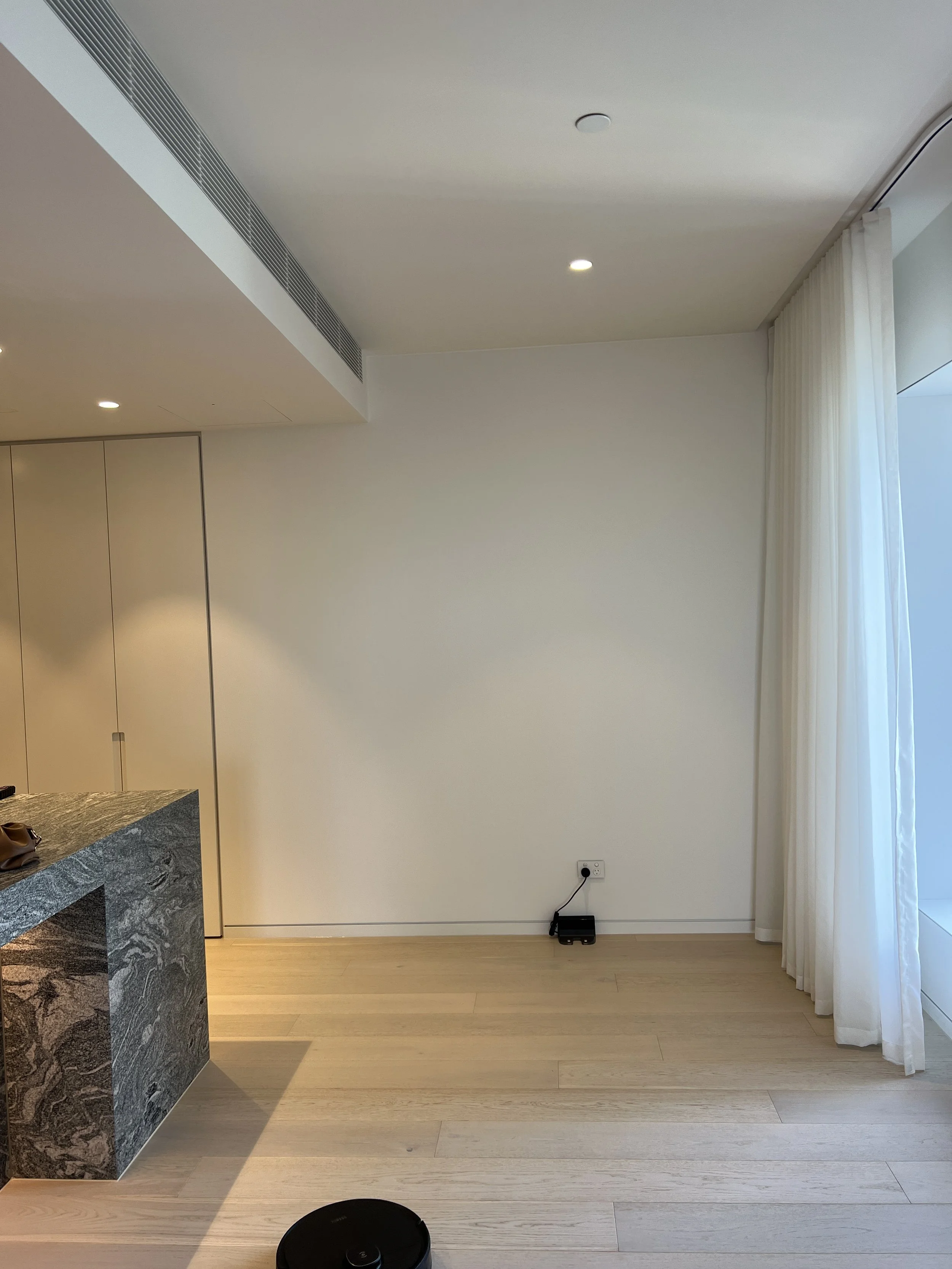
Before — Empty Hallway
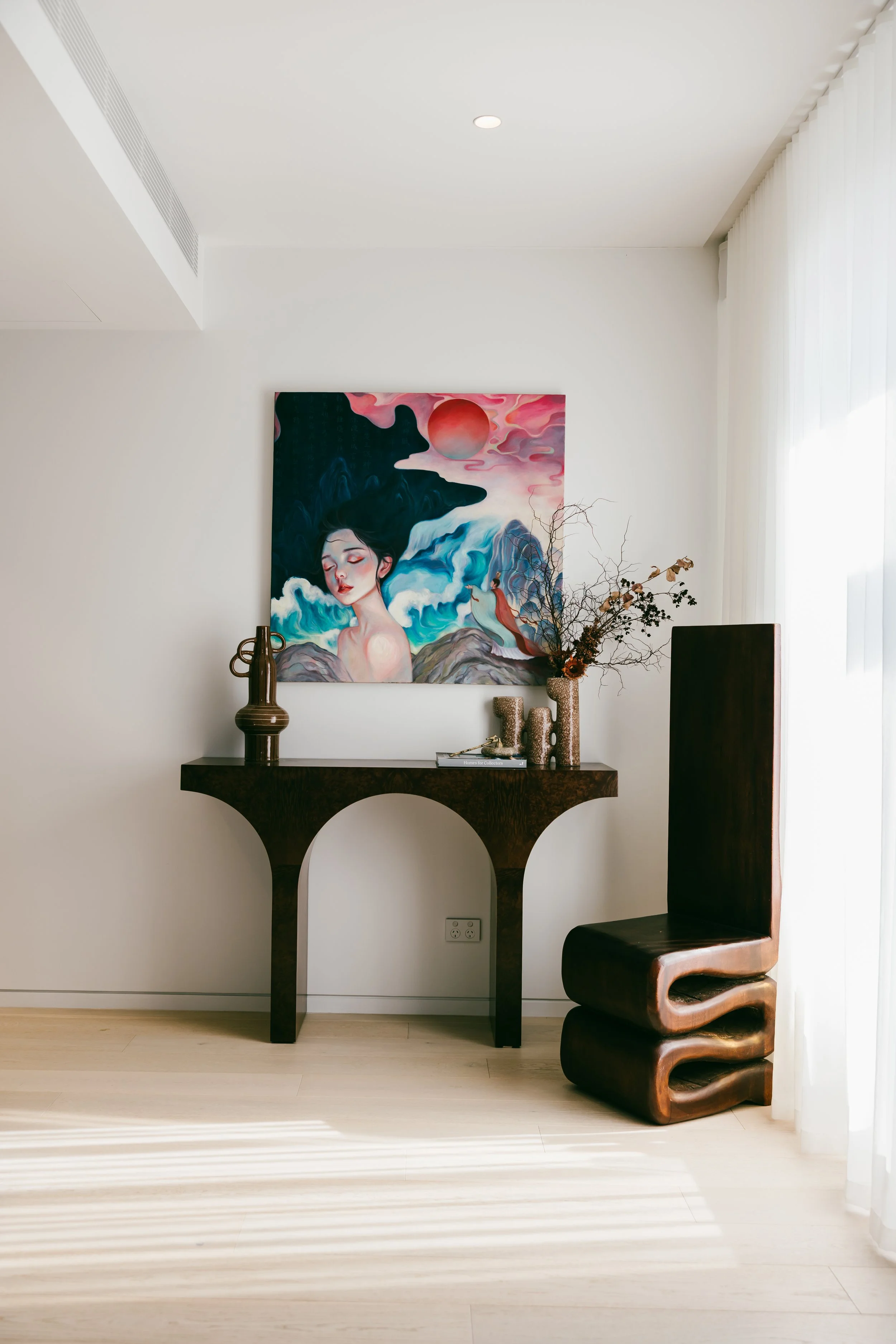
After — Living Palette, SYP Homes
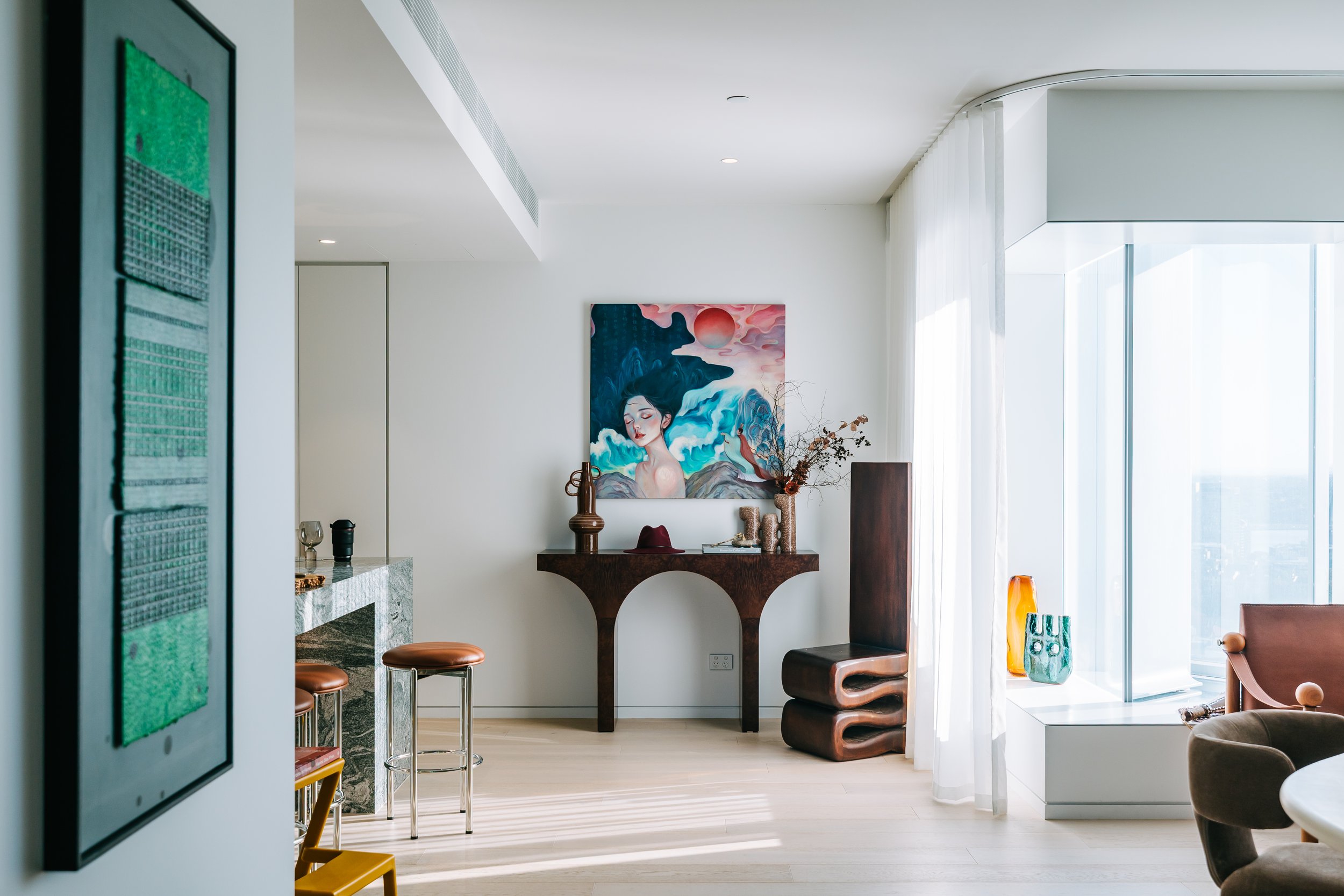
After — Living Palette, SYP Homes
Where Most People Get Stuck
When a home doesn't feel right, the instinct is often:
"Maybe I need to renovate."
But in many cases, renovation doesn't solve this — because it addresses structure, not composition.
You could knock down a wall and still have a room that feels flat.
You could install new flooring and still have a space that feels unresolved.
The problem isn't the architecture.
The problem is that the space has never been properly composed.
What SYP Homes Does — And Why It's Different
Most services in the home industry fall into two categories:
Furniture suppliers — selling individual pieces
Interior designers or builders — changing the structure
There's a gap in between: the work of understanding what a space already has, and carefully re-composing it — through furniture placement, material layering, proportion, light, and curation — until it finally feels like it belongs to the person who lives there.
That's what we do at SYP Homes.
We don't start with renovation. We start by identifying which of the three situations you're actually in — because that determines everything that follows.
Our strength is not decoration. We are not here to add more things.
We are here to:
edit what's already there
reposition what isn't working
rebalance the visual and emotional weight of the space
and redefine how the space is experienced
This is the work that lives between "I like the bones of this place" and "it finally feels like home."
Is This You?
You might recognise your situation in this:
Your home is functional, but it lacks a sense of identity
You've bought furniture you like — but together, they don't quite work
You feel like something is missing, but you can't name what
You've thought about renovating, but you're not sure that's really the problem
You want your home to feel more intentional — more you — without starting from scratch
If so, the answer is probably not a builder.
It's a conversation about composition.